
Hawke’s Bay Wine Region
As the oldest wine-growing region in New Zealand, Hawke’s Bay boasts a mix of renowned international wine brands as well as innovative, independent winemakers who transform small parcels of grapes into unique interpretations of their tūrangawaewae — the land where they stand.
This diversity of producers, landscapes, and philosophies has helped shape Hawke’s Bay into one of the most respected wine regions in the Southern Hemisphere.
New Zealand’s Oldest Wine-Growing Region
Hawke’s Bay has long been recognised as a place where tradition and innovation meet. The region is home to a diverse range of producers, from internationally recognised wine brands to small, independent wineries focused on expressing place and character through their wines.

The Twin Cities of Hawke’s Bay: Napier and Hastings
The region’s twin cities Napier and Hastings, are as vibrant as they are different.
Napier: The Art Deco Capital of the World
Napier glistens along the coast and is celebrated globally for its Art Deco architecture, shaped by the city’s rebuild following the 1931 earthquake.
Hastings: The Cultural and Agricultural Heart
Just 20 minutes inland, Hastings is the historic and artistic heart of Hawke’s Bay, where an eclectic array of artisans embrace the cultural diversity of New Zealand.
A Centre for Viticulture, Education, and Agriculture
Hawke’s Bay is home to the widest range of tertiary viticulture and wine qualifications in the country. Beyond wine, the region is a nationally recognised powerhouse for farming, agriculture, and horticulture, leading production across many of New Zealand’s fruit and produce exports.
This deep agricultural knowledge underpins the region’s reputation for quality wine production.
Climate and Growing Conditions in Hawke’s Bay
With 2,320 annual sunshine hours, moderate rainfall, sheltering inland ranges, and a warm maritime climate, Hawke’s Bay offers ideal conditions for grape growing.
A long, consistent growing season allows grapes to ripen slowly and evenly, contributing to wines of balance, structure, and depth.
Hawke’s Bay now has more than 4,000 hectares of grapevines and is best known for producing:
-
Merlot and Cabernet Sauvignon blends
-
Syrah
-
Chardonnay
Hawke’s Bay: A Great Wine Capital of the World
In 2023, following the devastating Cyclone Gabrielle, Hawke’s Bay Winegrowers were delighted to learn that the region had been named the 12th Great Wine Capital of the World.
This recognition places Hawke’s Bay alongside other globally respected wine regions including:
-
Bordeaux, France
-
Napa Valley, USA
-
Bilbao, Spain
-
Adelaide, Australia
The accolade recognises Hawke’s Bay as a leading destination for wine tourism and reinforces its international reputation for quality wine production.

Pask Winery in Hawke's Bay
Pask vineyards and winery are located on the east coast of New Zealand’s North Island, within one of the country’s hottest and sunniest regions. These conditions play a defining role in the character of the wines produced.
The Gimblett Gravels Winegrowing District
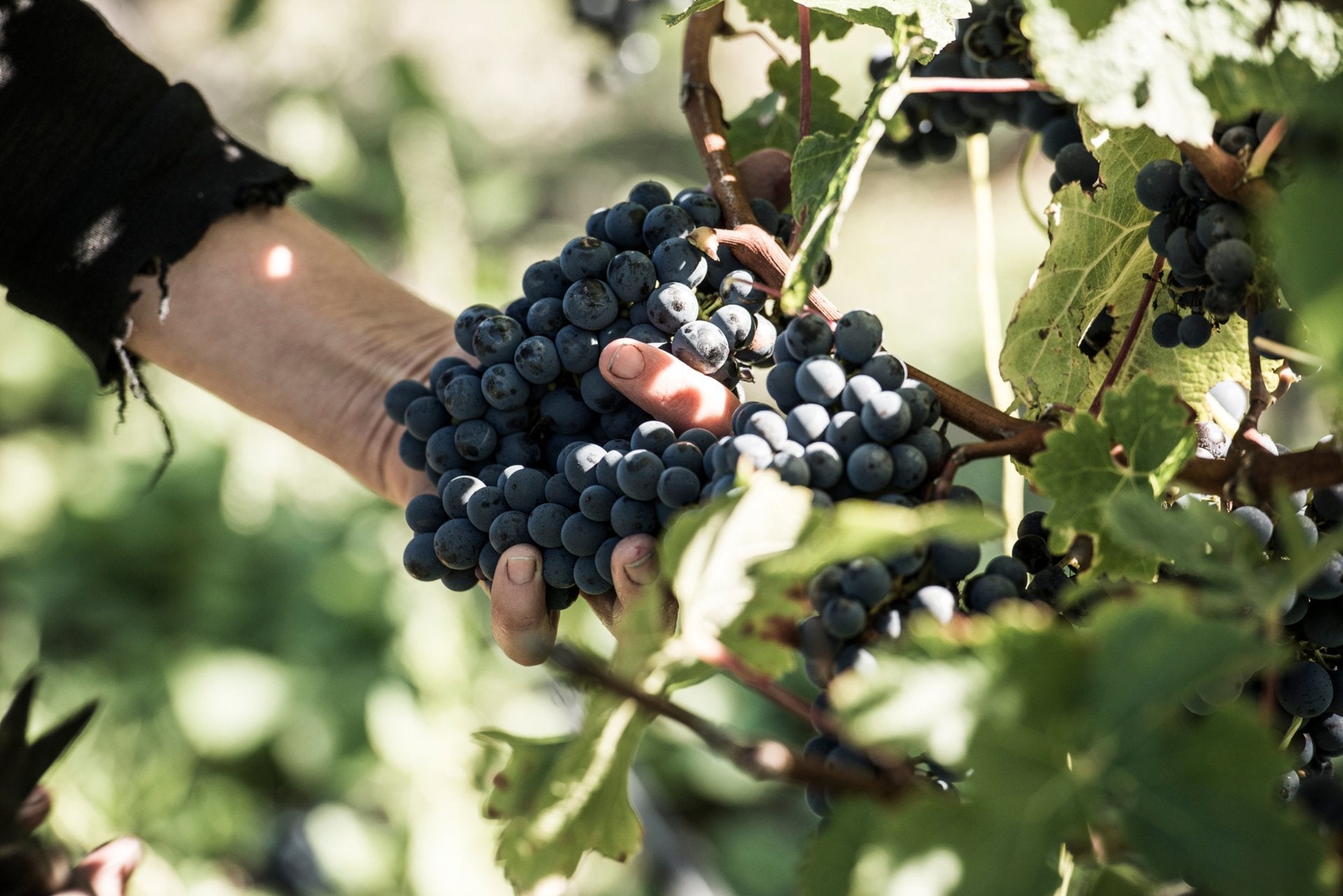
Our 60 hectares of vineyards are located on Gimblett Road, where Pask planted the first vines in what is now the world-famous Gimblett Gravels Winegrowing District.
Formed from alluvial deposits exposed when the Ngaruroro River changed course around 100 years ago, the soils are low in nutrients and rich in stones, gravel, and silt — a defining feature of the district’s viticultural character.
Microclimate and temperature effects play a crucial role here. Daytime temperatures in our vineyards can be up to 3°C warmer during summer and autumn than in other parts of Hawke’s Bay, while the stones retain heat and contribute to warmer evenings. Sheltered by the landmark Roy’s Hill, the vineyard is protected from prevailing winds, further enhancing growing conditions.
Grape Varieties Suited to the Gimblett Gravels
Merlot has a natural affinity with our vineyard’s microclimate and is our most widely planted variety. It is supported by significant plantings of:
-
Chardonnay
-
Syrah
-
Cabernet Sauvignon
Smaller plantings of Malbec, Pinot Gris, and Viognier further contribute to the diversity and expression of the site.